Orthodontics

Ortodonti

Orthodontics

The specialization method that medical science follows to provide expertise also applies to the mouth and jaw and teeth. It is essential that the mouth and jaw region, which performs many vital functions such as eating, speaking, and breathing, be healthy. In cases where oral and jaw health cannot be achieved through personal care, physicians intervene. Orthodontics is also concerned with the jaw structure, which is evaluated together with the mouth and teeth. The mouth, a complex organ, is a whole with the jaw. Therefore, oral and dental health specialists become experts by specializing. Because congenital jaw deformities, which are noticed in adulthood, are conditions that need to be treated. With this specialty, jaw disorders and the resulting unhealthy tooth alignment have become a thing of the past.

What is Orthodontics?

The first rule for the continuation of human life is nutrition. Since nutrition is done through the mouth, it is extremely important that teeth are healthy. Not only the teeth, but also the jaw must be healthy. Imbalances during chewing are caused by a disorder of the jaw structure. This is also a condition that affects speech. There are many reasons for this. The aim of orthodontics is to eliminate these reasons. Different methods are used for this. Although it is mostly noticeable in children, orthodontic problems are seen in people of all ages. In patients whose jaw development is still ongoing, teeth and jaws can be brought to the desired shape with braces and prostheses. For patients of an age where these methods cannot be used, surgical interventions and prostheses may be necessary. It is possible to get rid of all these problems with this specialty area of ​​dentistry.

What is Orthodontic Disorder?

Jaw deformities are a condition that reduces quality of life. There can be many reasons for this. Genetic factors, childhood and infancy habits, and nutrition can be prominent. Problems such as the lower jaw being too far forward or backward, or imbalances caused by the size of the tongue or teeth, are within the expertise of orthodontics. The jaw is an organ that can be shaped without surgical intervention up to a certain age. Therefore, even early tooth loss can cause changes in the jaw structure. These and similar problems can also lead to deformities in the dental structure. Experts can eliminate these problems.

What are the Reasons for Orthodontic Problems?

Many different reasons can cause jaw deformities. Starting treatment early is the way to achieve the best results, although it takes a long time. The causes of frequently seen jaw-related dental deformities can be listed as follows:
  • Genetic factors: This is one of the most effective factors. Problems seen in family members can also be passed on to children. However, early detection and knowledge of the patient’s history increase the chances of success in treatment.
  • Bottle and pacifier use: One of the habits that cannot be given up during the transition from infancy to childhood is the use of bottles and pacifiers. However, long-term use causes deformities in the jaw structure. Thumb sucking also affects jaw structure changes.
  • Overly large tongue or teeth:Although rare, this condition affects jaw structure. An overly large and unbalanced tooth can cause deformities in both the jaw and other teeth.
  • Missing teeth:If a tooth is lost during development, precautions should be taken. Otherwise, other teeth will shift. Thus, a complex dental structure will be formed because the tooth that should erupt cannot find its place.

Why is Orthodontic Treatment Necessary?

The jaw is a structure that continues to change throughout a person’s development. This process in the jaw also affects the position of the teeth. Therefore, the changes in the structure should be followed along with the changes in the mouth. For this, an orthodontist is needed. Although there is a perception that only children need it, everyone’s jaw affects the structure of their mouth and teeth. To eat healthily, it is necessary to have the correct jaw and teeth structure. For this, an examination is essential regardless of age. Jaw structure disorders continue throughout life. However, this is not fate. Using various methods and techniques, it is possible to intervene in the jaw and straighten the teeth. An examination by an orthodontist can change many lives. Moreover, thanks to advanced technology and expertise, it is possible to prevent future problems. The best method is to take precautions before problems arise. With this specialized field of dentistry, it is possible to protect oral health for a lifetime.

Methods Used in Orthodontic Treatment

Treatment begins with an examination and roadmap development by a specialist physician. The specialist physician creates a model of how the jaw and teeth structure should be. This model, designed specifically for the individual, also ensures the creation of a mold. The following treatment methods are applied at this stage:
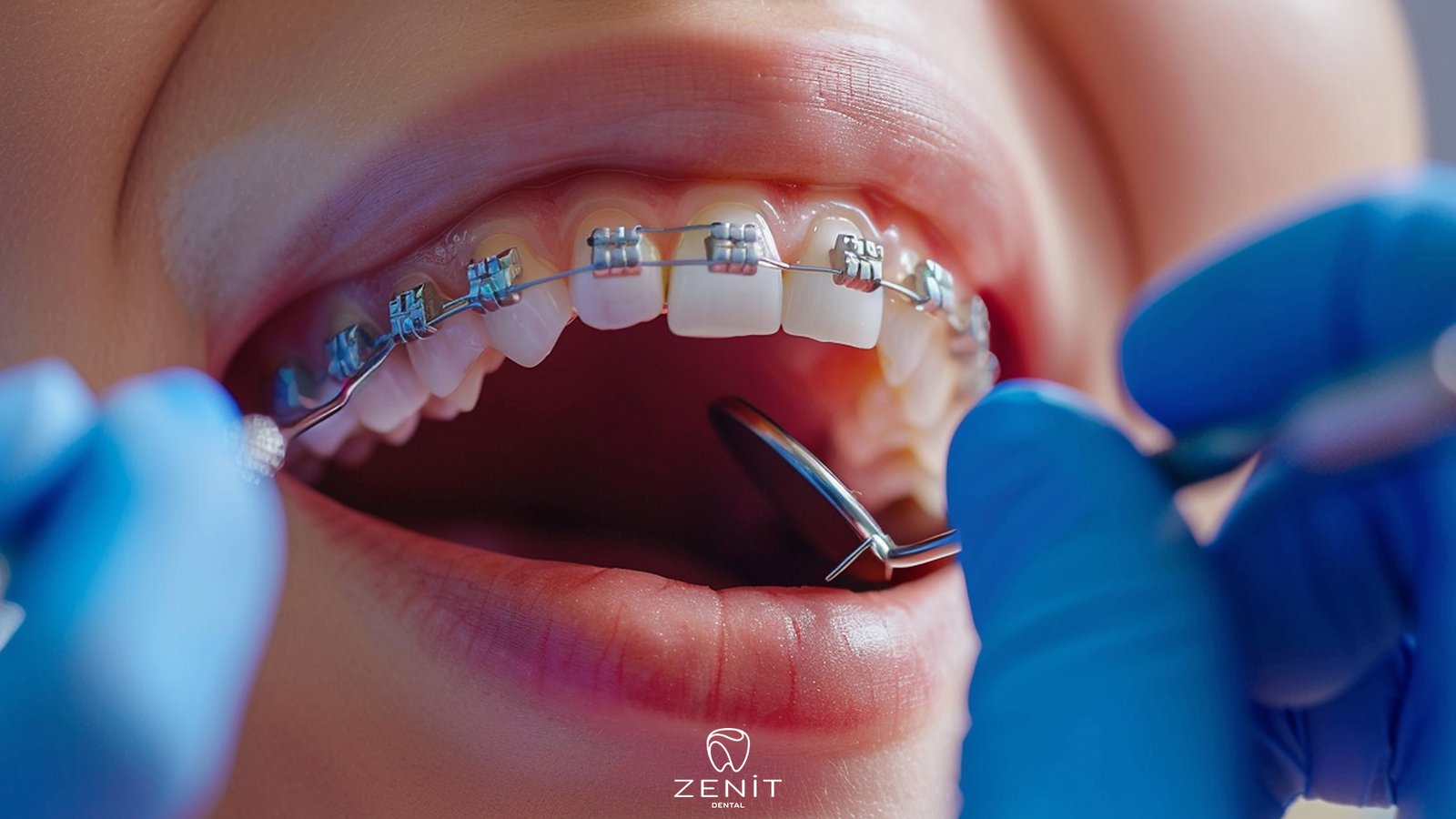
  • Appliance Use: An intraoral shaping appliance, called an appliance, is used after the specialist physician’s examination. The basic principle of orthodontics is to force the tooth structure to the desired state. This is based on the body’s own developmental function. Appliances, applied by a specialist, are used in three different ways: Removable appliances Functional appliances Fixed appliances These appliances are used as determined by the specialist. Removable ones are put on and taken off by the patients. The others are mandatory and must be used under the supervision of a physician. Surgical interventions: Surgical interventions on the jaw are also within the field of orthodontics. These interventions are preferred when other methods have been unsuccessful. Jaw disorders are corrected using transplants and implants.

The Importance of Reinforcement

Orthodontic treatment requires continuity. For the long-term treatment to be successful, retention appliances must be used afterwards. Retention appliances, also called retainers, are extremely important for maintaining tooth alignment. It should never be forgotten that the jaw bones are susceptible to change. For this reason, retention appliances should be used in accordance with the advice of a specialist physician. There are three different options for this. Removable, fixed, or clear retention appliances are used as deemed appropriate by the physician. By following the recommendations, it is possible to achieve excellent results.

Who Should Be Examined?

Orthodontics is a field that every person needs. Everyone has the right to have aligned and properly functioning teeth. However, this requires mapping the oral structure. This map is examined by a specialist physician. In this way, jaw structure irregularities are detected and dental irregularities can be treated. Therefore, orthodontics is one of the most important parts of human life. For this reason, dental examinations should be taken seriously and recommendations should be followed. It is possible to improve the quality of life with the treatments applied. Because freedom of eating, ease of speech, and aesthetic appearance are all possible with straight teeth. And the path to straight teeth opens up through this specialized field of dentistry.

Why is Orthodontic Examination Important?

Many problems can be solved thanks to developing technology and expertise. In fact, problems can be prevented before they even occur. However, the impact on oral health is not limited to these. Properly aligned teeth offer a healthier life. Straight teeth reduce bacterial growth, making cleaning and care easier. Making oral care and dental check-ups routine is a personal responsibility. In addition, this branch of dentistry can correct jaw disorders and therefore irregularities in the tooth structure. This also offers a healthy life. Improved quality of life and aesthetic self-confidence are directly related to oral health. Therefore, this area of ​​dentistry should not be neglected. Everyone needs to be examined by an orthodontist.