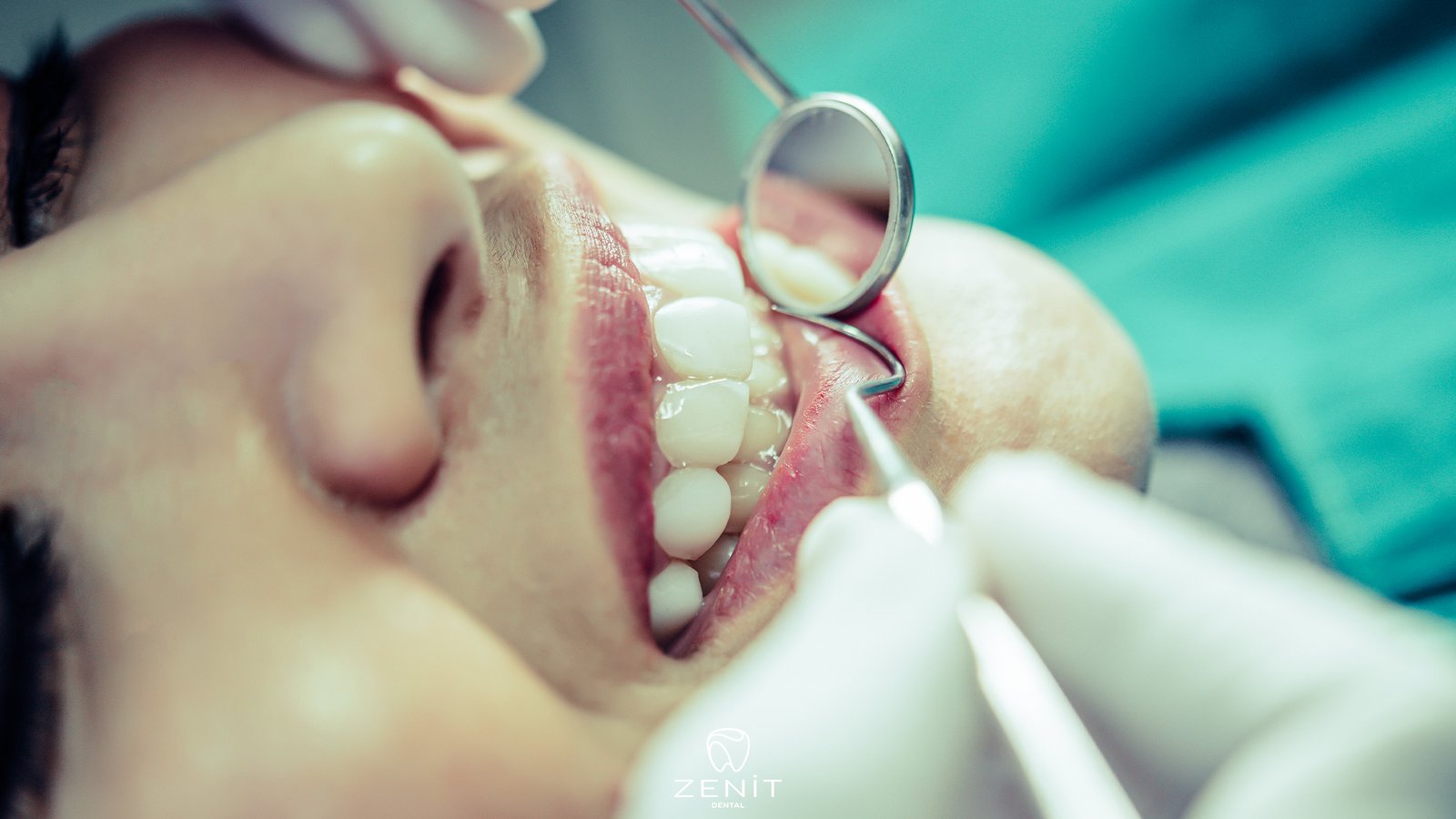
Dentistry is a science divided into branches to achieve the best and healthiest results. Specializations encompassing not only teeth but also the mouth and jaw can produce functional and lasting solutions to various problems. One of the most important of these is oral and maxillofacial surgery. It consists of 5 years of dental training followed by 5 years of specialized operations performed by maxillofacial surgeons.
This highly specialized branch can also find solutions to bone structure problems that cannot be solved by dentists alone. Many challenging jaw surgeries are successfully performed by maxillofacial surgeons. These include not only bone structure disorders but also tumors, malformations, and implants.
Genetic factors, accidents, and injuries can cause jaw deformities. Cases where the jaw bones show anomalies, or are fractured or damaged as a result of an accident, require specialized expertise. This is possible through oral and maxillofacial surgery, a specialized branch of dentistry. Specially trained surgeons deal with advanced dental diseases, jaw deformities, and bone problems.
The specialist decides whether surgery, appliances, or prostheses are necessary to solve the health problem. This branch, aiming to achieve a healthy jaw structure, plays an extremely important role for individuals. Specialists treat patients who are hesitant about tooth extraction due to stress or health reasons under general anesthesia.
Treatment for disorders within this specialty often involves lengthy procedures. For those suffering from jaw and dental deformities, the most important step is the examination. The specialist physician conducts a case study using modern knowledge and experience. Advanced imaging technologies, in particular, allow for clear visualization of the jaw area. The physician works in collaboration with oral and maxillofacial surgeons, orthodontists, and cosmetic dentists to assess the situation.
The patient’s condition and the course of treatment are determined. Depending on the type and nature of the treatment, some operations are performed under general anesthesia. Furthermore, while many procedures, such as jawbone reconstruction and crooked teeth correction, are short, the treatment process can sometimes be lengthy. Therefore, the specialist physician’s advice should be followed at all stages of treatment. The physician’s guidance is crucial for achieving good health.
Dentistry is a broad field responsible for the health of the oral and jaw region. Furthermore, oral, dental, and jaw problems are not limited to tooth decay. Healthy teeth are only possible with a healthy jaw structure. Oral and maxillofacial surgery works to achieve ideal health. In this context, it uses many treatment methods in many areas. Most treatment methods in dentistry use surgical techniques. However, depending on the condition, advanced treatments may be required.
Impacted teeth, such as wisdom teeth, which affect many people, are frequently seen. The specialist ensures that the tooth can erupt healthily or separate from the jawbone. Especially in cases of advanced tooth loss, specialist intervention is necessary before implant placement. In short, the specialty area works as a whole with dentistry. In this way, oral health, which is essential for good health through nutrition, is restored.
Wisdom teeth are a part of human life as a process of evolution. While in some people this tooth erupts naturally and healthily, in others it does not. Oral and dental diseases experienced in childhood, and jaw structure disorders, make wisdom teeth require treatment. These situations can be treated with oral and maxillofacial surgery expertise. Wisdom teeth that fail to erupt from the gums or erupt by damaging other teeth can also cause serious health problems.
Wisdom teeth that damage their surroundings, cause cyst formation and inflammation, also lead to disruptions in chewing and speech functions. These conditions can be treated safely thanks to advanced imaging technologies and expertise. Definitive results are possible with wisdom tooth treatment performed under expert supervision.
Today, advancements in medical science have also had an impact on oral health. Many jaw and oral disorders that were difficult to treat in the past can now be treated through a structured process. Some children require oral and maxillofacial surgery due to congenital genetic factors. Since the jawbone is susceptible to change, alterations can occur at any age. Therefore, this branch of medicine is a field that humanity needs from birth to death.
Treatment for individuals with special needs who experience excessive stress at the dentist’s office due to certain limitations can be provided through this method. Dental and jaw structure treatments for these disadvantaged individuals are performed by specialists. Treatments are carried out safely under general anesthesia.
Especially in later years, teeth can be lost due to genetic factors or living conditions. Since the loss doesn’t happen all at once and oral care is neglected, the jaw structure changes. The jaw structure is particularly important for implant applications, one of the most important advancements of our time. Therefore, the field of oral and maxillofacial surgery has a major role to play in this area.
Because the jaw is a structure that applies excessive pressure during chewing. The bone structure that can withstand this pressure is extremely important for the success of the implant. Therefore, the specialist has a major role to play before the implant procedure. Whether the jaw can support the implant, and the need for prosthesis or bone grafting, are determined by the specialist. The specialist also controls which method of implant application and which materials will be used.
Dental technologies today offer rapid treatment methods for many ailments. Most importantly, preventive oral health allows for the early detection of potential future problems. Oral and maxillofacial surgery allows for the analysis of the condition and future of the jaw and dental structure. Thanks to this specialized field, congenital or accidental damage can also be corrected. Many people need this specialization at some point because the changing structure of the jaw can create problems. However, these treatments can only be performed safely under the supervision of specialist physicians.